A website can look acceptable and still cost your business sales every day. Slow pages,confusing navigation, outdated visuals, weak calls to action, and poor mobile performance all create friction at the exact moment a prospect is deciding whether to contact you. When you upgrade your old website for better sales & leads, you are not simply changing colors or adding a new banner. You are building a stronger system for turning traffic into inquiries, bookings, purchases, and long-term customers.
For UAE businesses competing in crowded markets, an underperforming website is more than a design issue. It is a growth issue. Your website should support your advertising, build trust quickly, explain your value clearly, and make the next step easy.
Signs Your Website Is Holding Back Growth
Business owners often wait to redesign until a website looks visibly old. That is one reason websites stay online for years without producing the results they should. The more useful question is not, “Does it look outdated?” It is, “Does it help our business win customers?”
Your Message Is Not Clear in the First Few Seconds A visitor should immediately understand what you offer, who you help, and why they should choose you. If your homepage starts with generic statements, stock-heavy visuals, or vague language, prospects may leave before they find the details that matter.
Mobile Users Have a Frustrating Experience Many potential customers will first visit your site from a mobile device. If the text is hard to read, forms are difficult to complete, buttons are too small, or the layout breaks on a phone, you are making it easy for them to choose a competitor.
Your Site Is Slow or Technically Unreliable A slow website weakens confidence. It can also reduce paid advertising efficiency because you are paying for visitors who abandon the page before it fully loads. Broken forms, expired plugins, security warnings, and error pages create even greater risk.
Not every visitor is ready to buy immediately. Some are comparing providers, some need proof, and some have a specific urgent need. A better website gives each group a clear path forward.
Service pages should answer practical buying questions: what is included, who the service is for, what problems it solves, how the process works, and how to get started. Product pages should make specifications, benefits, pricing, availability, delivery, and returns easy to understand.
Instead of sending every visitor to a general contact page, use relevant calls to action throughout the site. “Request a Quote,” “Book a Free Consultation,” “Get Website Support,” or “Start Your Project” are more specific and more useful than “Submit.”
#2 Make Trust Visible, Not Assumed
People are cautious online, especially when choosing a service provider or making a larger purchase. Your website needs to show credible reasons to choose your business before asking for a lead.
Useful trust signals can include:
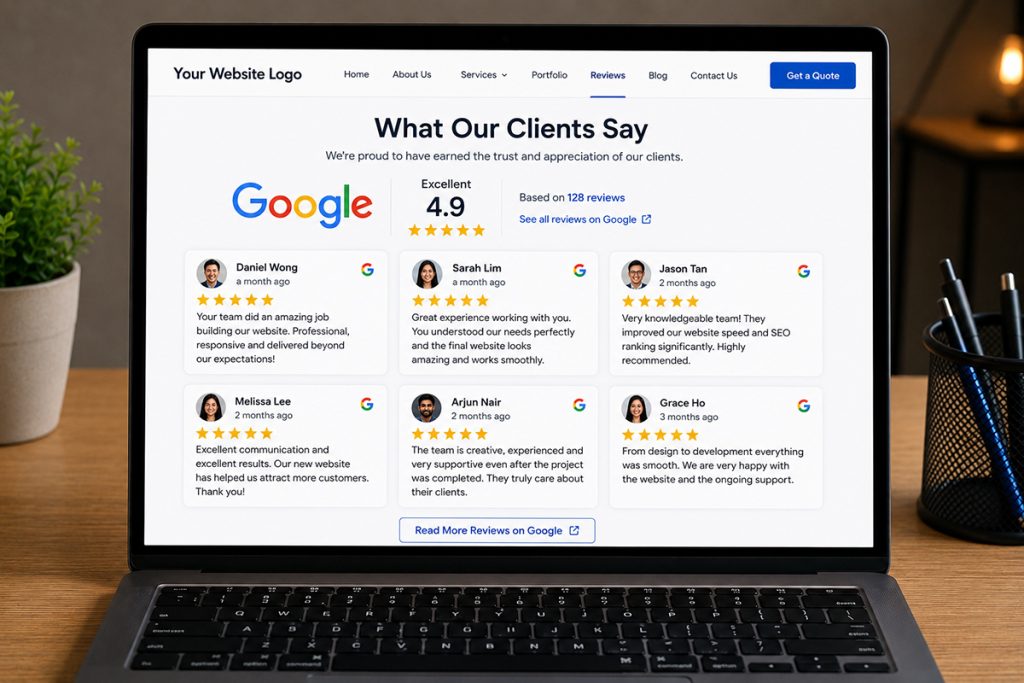
Client testimonials that mention real outcomes
Project examples or a portfolio of completed work
Clear business contact details and service locations
Industry experience, certifications, or partner credentials
Secure payment options and transparent policies for eCommerce
A clear explanation of your process and support approach
#3 Reduce Form Friction
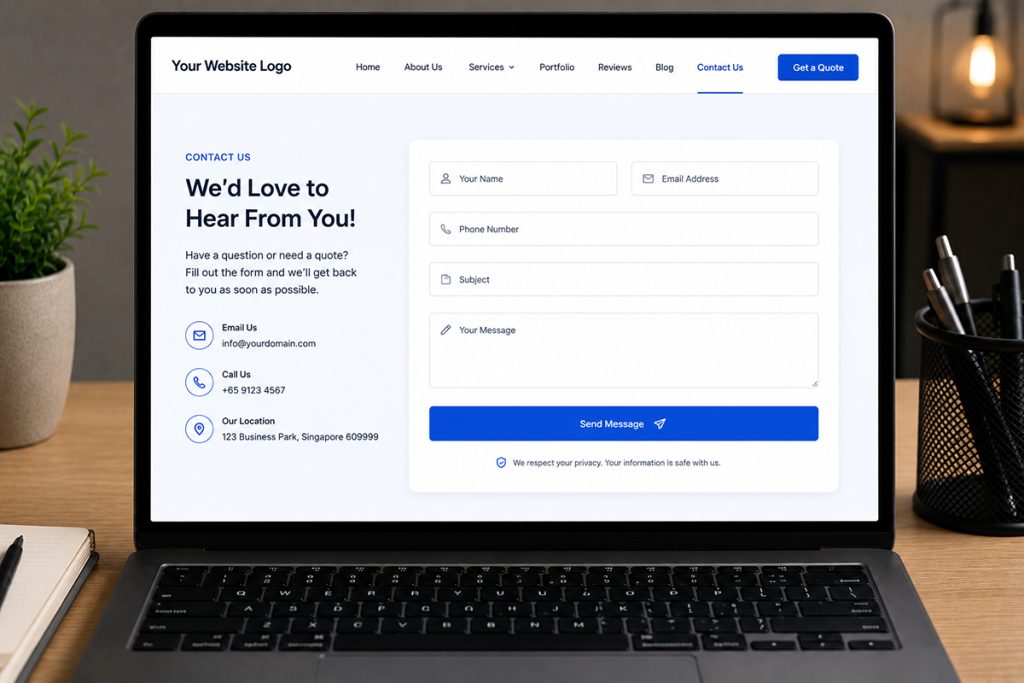
Long contact forms can reduce lead volume, particularly on mobile. Ask for the details your team genuinely needs to follow up effectively. For many businesses, a name, phone number, email, service interest, and short message are enough for the first contact.
If your sales process requires more information, collect it later. A simple first step often produces more qualified conversations than a form that feels like a full application.
#4 Track What Happens After the Click
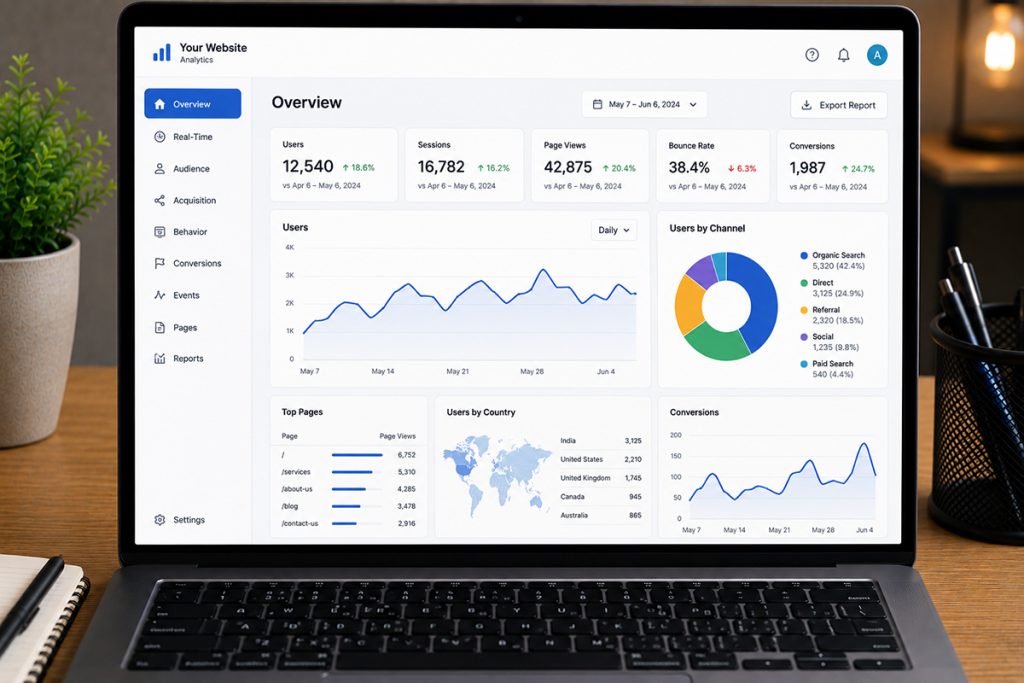
Without tracking, you are relying on assumptions. Track form submissions, phone calls, quote requests, online purchases, and important button clicks. Then review which pages, campaigns, devices, and traffic sources are producing quality leads.
This is where an integrated approach matters. Website design, development, landing page optimization, and paid advertising should support the same goal: more profitable conversions. If ads bring traffic to a weak website, your cost per lead rises. If a better website has no targeted traffic, growth can still stall.
Not every old website requires a full rebuild. The right investment depends on its technical condition, business goals, and the scale of changes required.
When a Website Refresh May Be Enough
A refresh can work when the existing platform is stable, the site is mobile-friendly, and the main problem is outdated content or weak conversion messaging. Updating the homepage, service pages, visuals, calls to action, forms, and trust elements may deliver meaningful improvement without rebuilding everything.
When a Full Redesign Is the Better Choice
A full website redesign is often the smarter option when the website has repeated technical issues, outdated code, poor mobile usability, limited editing capability, or an architecture that no longer supports your services. It also makes sense when your business has changed significantly, such as adding eCommerce, expanding into new markets, or introducing new service lines.
For online stores, a rebuild may be necessary if checkout is difficult, inventory management is unreliable, product filtering is poor, or the store cannot support the payment and shipping options your customers expect.